Modular Homes: The Ever-increasing Energy Efficiency of Modular Construction
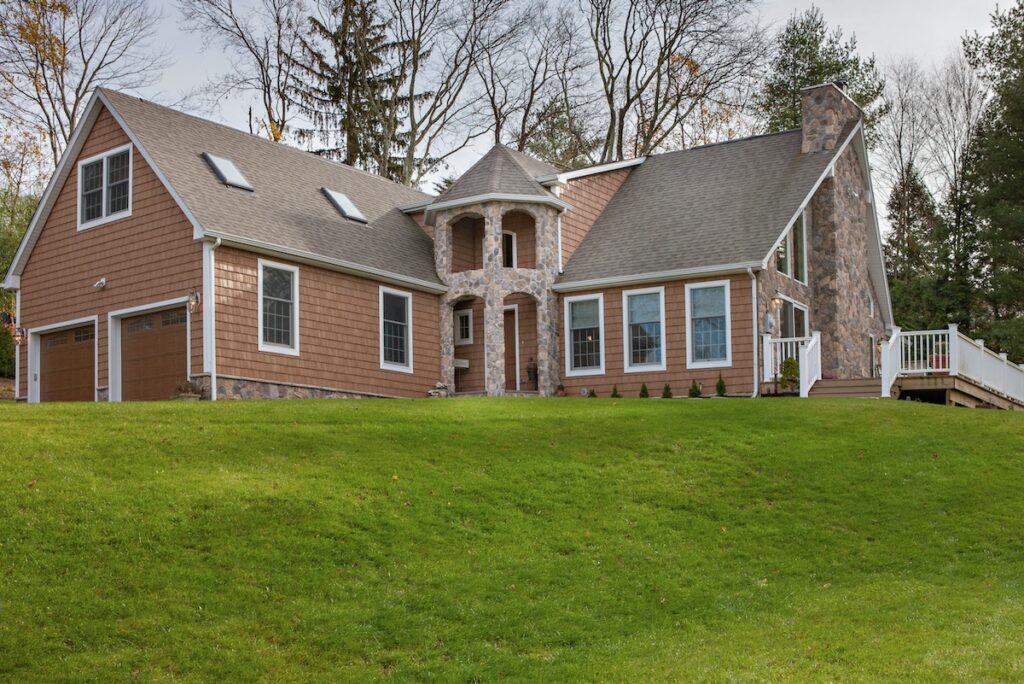
Energy efficiency codes are getting stricter in modular home construction. And that’s a good thing for fuel use, energy innovation and consumer cost savings. In the old days, being energy-efficient meant adding more insulation, or maybe springing for a better boiler. And that’s pretty much where it ended.
Today, optimizing home energy efficiency means a much more comprehensive approach. It considers all the variables that affect energy use in your home. These range from windows and doors and skylights to appliances, air sealing, heating/cooling, lighting, and yes, insulation.
How Factory Building Improves the Energy Efficiency of Modular Construction
This is good news for modular-home buyers. The benefits of having a home’s large-scale modularized components prefabricated offsite go beyond faster assembly with more predictable costs. When it comes to modular construction, building happens on a production line, not 30 feet in the air on a ladder scaffold. As a result, crews work in an environment that’s easier to control. In a manufacturing facility, it’s easier to insulate the entire envelope of the home properly. Crews can also take extra measures, such as applying spray foam around every external outlet that goes through the sheetrock.
Factory-based production also allows for much tighter, more precise sealing of seams and joints and better testing thermal performance. The manufacturing steps are more tightly integrated, which leads to efficiency you don’t see when builders put up homes one at a time on site. They also provide more uniformly supervised quality assurance.
The construction process itself uses less energy, too. That is because factories control energy use and emissions better than traditional construction sites. There’s also less waste with resources shared across many projects, and fewer extra pieces going into landfills.
Modular Homes Are Built to Use Less Energy
Quality control assures proper insulation application methods for the walls, ceilings, and floors. This allows less heat into your home in the summer and less leaking out in the winter. Energy Star HVAC systems and Anderson windows also cut heating and cooling costs. In addition, they guarantee longer-term fuel efficiency and cost-effectiveness.
Today’s fuel costs and availability are constantly fluctuating, and vulnerable to ongoing political change. So homeowners need a building partner who can open their eyes to different options, like geothermal or dual-source heat pumps. These options are cutting edge, and they can also offer tax incentives and rebates.
Give us a call to discuss the latest developments. We’re happy to puzzle through the many options and advantages available in going green through a modular building.